
 Apple Podcasts
 Spotify
 Amazon Music
  RSS Feed
 The Arts as the Fifth Pillar of Health: Brain Health, Longevity, and Dementia Prevention with Dr. Daisy Fancourt, Ph.D.
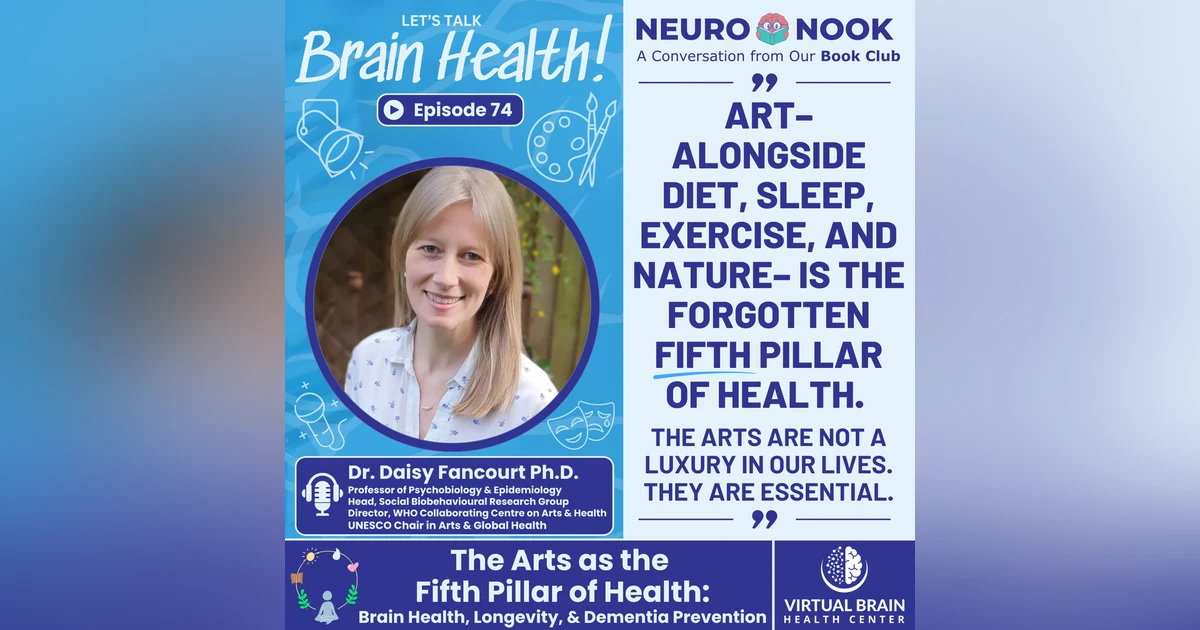
**This special podcast episode was recorded live as part of the Virtual Brain Health Center’s Neuro Nook book club, where readers explored The Art Cure together before welcoming Dr. Fancourt for this live discussion.
What if one of the most powerful tools for supporting brain health has been hiding in plain sight?
In this episode of the Let’s Talk Brain Health! Podcast, Dr. Krystal Culler and Heather Elwell, co-host of the Neuro Nook brain health book club, sit down with internationally recognized researcher Dr. Daisy Fancourt, author of The Art Cure: The Science of How the Arts Save Lives, for a fascinating conversation about why the arts may be the forgotten fifth pillar of health.
We often hear health advice centered on movement, sleep, nutrition, stress management, and routine medical care. But how often are we told to read a book, visit a museum, sing, dance, paint, or attend a live performance for our health?
The science says we should be.
Dr. Fancourt shares decades of research showing how arts engagement supports mental health, physical health, social wellbeing, and cognitive health.
Whether you identify as creative or not, this episode may change how you think about what belongs in your personal brain health routine.
What You’ll Learn in This Episode
🧠 Why the arts are considered the forgotten fifth pillar of health
🧠 What counts as “arts engagement” & why it is broader than many people realize
🧠 The difference between active participation and receptive engagement, and why both matter
🧠 What happens in the brain when you listen to music, read, dance, create, or experience the arts
🧠 How arts engagement influences dopamine, stress hormones, inflammation, and emotional well-being
🧠 The connection between the arts, neuroplasticity, cognitive reserve, and dementia risk reduction
🧠 New research linking arts engagement to biological aging and longevity
🧠 Why arts participation supports healthy aging across the lifespan
🧠 Practical ways to build creative engagement into your everyday routine
🧠 Why equitable access to the arts is also a public health issue
Who Should Listen
This episode is for:
- Adults interested in brain health & healthy aging
- Individuals concerned about memory or dementia prevention
- Healthcare and public health professionals
- Educators & community leaders
- Artists, creatives, and arts advocates
- Anyone who has ever said, “I’m not artistic,” or “I’m not creative”
Key Takeaways
✔ The arts are not a luxury. They are a meaningful health behavior
✔ Arts participation may help strengthen cognitive reserve and protect long-term brain health
✔ Both creating art and experiencing art offer measurable health benefits
✔ Small, consistent creative habits can make a difference over time
✔ Healthy aging is not only about what you remove from life. It is also about what you add
Earn FREE CEs
The podcast qualifies for the following credit types: AMA PRA Category 1, ANCC, AAPA, APA, ASWB, and IPCE.
Join the Learn at Pinnacle app to earn FREE CE Credit for listening to this episode!
Support the Podcast
If you enjoyed this episode, please help us grow the conversation around better brain health:
- Follow or subscribe to the Let’s Talk Brain Health! Podcast
- Leave a rating or review
- Share this episode with a friend, colleague, book club, or fellow brain health advocate
Thank you for investing your time and energy into your brain health.
A special thank you to Dr. Daisy Fancourt for sharing her expertise and advocacy, and to our Neuro Nook community for making this live book club conversation possible.
Resources:
- Explore the additional resources from “The Art Cure” book and project
- Connect with The Social Biobehavioural Research Group, Dr. Daisy Fancourt’s Research Lab
- Subscribe to Dr. Fancourt’s Newsletter
- Learn more about the Neuro Nook (book club) from the Virtual Brain Health Center
- Review the Neuro Nook (book club) summary of The Art Cure
1
00:00:02,640 --> 00:00:06,240
Welcome to the Let's Talk Brain
Health podcast, a public health
2
00:00:06,240 --> 00:00:08,920
educational initiative of the
virtual Brain Health Center.
3
00:00:09,200 --> 00:00:12,240
I'm your host, Doctor Crystal
Color, and I'm so glad you're
4
00:00:12,240 --> 00:00:14,880
here.
On this podcast, I sit down with
5
00:00:14,880 --> 00:00:18,240
incredible guests to explore all
things brain health and
6
00:00:18,240 --> 00:00:20,520
Wellness.
Together, we'll talk about how
7
00:00:20,520 --> 00:00:24,480
to care for your total brain
health, mind, body and spirit
8
00:00:24,800 --> 00:00:27,760
while sharing the latest brain
Health Science practical.
9
00:00:27,760 --> 00:00:30,360
Tips.
And strategies you can use every
10
00:00:30,360 --> 00:00:33,000
day.
By prioritizing your brain
11
00:00:33,000 --> 00:00:35,720
health, you're taking an
important step towards living a
12
00:00:35,800 --> 00:00:39,600
happier, healthier life.
So let's dive in and welcome
13
00:00:39,640 --> 00:00:43,360
today's guest.
We're bombarded with information
14
00:00:43,360 --> 00:00:46,040
about how to live longer,
healthier lives.
15
00:00:46,600 --> 00:00:50,440
Cut your sugar, eat your
vegetables, eliminate ultra
16
00:00:50,440 --> 00:00:55,080
processed foods, quit smoking,
moderate your alcohol, go for
17
00:00:55,080 --> 00:00:58,480
your health screening, get your
daily exercise, take
18
00:00:58,480 --> 00:01:01,480
supplements, don't stress, go to
sleep.
19
00:01:02,120 --> 00:01:04,040
But how often have you seen
dance?
20
00:01:04,319 --> 00:01:07,920
Go to an art gallery or read a
book included in the list.
21
00:01:08,720 --> 00:01:11,280
These are some of the most
enjoyable pieces of health
22
00:01:11,280 --> 00:01:14,920
advice we could follow.
Yet they are rarely given, and
23
00:01:14,920 --> 00:01:17,920
the idea that the art serve as a
practical role in our health is
24
00:01:18,040 --> 00:01:21,880
often met with skepticism.
That is exactly what we are
25
00:01:21,880 --> 00:01:24,600
going to unpack in today's
conversation.
26
00:01:25,120 --> 00:01:27,960
This episode comes from our
Neuro Nook, our monthly brain
27
00:01:27,960 --> 00:01:31,040
health book club, where we
recently read The Art Cure, The
28
00:01:31,040 --> 00:01:33,000
Science of how the Art Saves
Lives.
29
00:01:33,400 --> 00:01:36,400
And I just shared an excerpt
from the book with you from the
30
00:01:36,400 --> 00:01:40,160
author so you can hear directly
from our her own words and about
31
00:01:40,160 --> 00:01:44,120
the advocacy we all likely share
for here today for the arts
32
00:01:44,320 --> 00:01:46,440
today.
She joins us live from London,
33
00:01:46,440 --> 00:01:49,840
England.
I am completely thrilled to
34
00:01:49,840 --> 00:01:54,080
introduce my favorite
researcher, Dr. Daisy Fancourt.
35
00:01:54,400 --> 00:01:57,960
She is a professor of psychology
and epidemiology at the
36
00:01:57,960 --> 00:02:02,040
University College London, where
she heads a social behavioral
37
00:02:02,040 --> 00:02:05,560
research group and is the
director of the World Health
38
00:02:05,560 --> 00:02:09,479
Organization's Collaborating
Center for Arts and Health.
39
00:02:09,840 --> 00:02:15,800
She has published 300 scientific
papers and has won more than two
40
00:02:15,800 --> 00:02:19,640
dozen academic prizes.
She's a multi award-winning
41
00:02:19,640 --> 00:02:23,360
science communicator and has
been named a World Economic
42
00:02:23,360 --> 00:02:28,000
Forum Global Shaper and ABBC New
Generation Thinker.
43
00:02:28,360 --> 00:02:31,920
She is listed as one of the most
highly sighted scientists in the
44
00:02:31,920 --> 00:02:34,800
world.
Her recently published book The
45
00:02:34,800 --> 00:02:38,840
Art Cure, The Science of How the
Arts Saves Lives, is now a
46
00:02:38,840 --> 00:02:43,200
Sunday Times bestseller and also
shortlisted for the Women's
47
00:02:43,200 --> 00:02:46,840
Prize for Non Fiction.
Welcome Doctor Fancourt.
48
00:02:46,840 --> 00:02:47,800
What?
Drew you to.
49
00:02:47,960 --> 00:02:51,840
This work in the first place?
I feel really lucky because I
50
00:02:51,840 --> 00:02:55,360
came from a family of musicians,
so my whole upbringing was
51
00:02:55,360 --> 00:02:57,680
really filled with the arts and
I initially thought I'd head
52
00:02:57,680 --> 00:03:00,120
into that space myself.
And I started working as a
53
00:03:00,120 --> 00:03:02,920
classical pianist, but I really
missed science.
54
00:03:02,920 --> 00:03:06,000
I was one of those teenagers who
really loved science and arts,
55
00:03:06,240 --> 00:03:08,360
and I got this incredible
program to start working in
56
00:03:08,360 --> 00:03:11,240
hospitals on the design and
delivery of arts programs.
57
00:03:11,240 --> 00:03:14,240
And it was one of those massive
eye opening moments for me.
58
00:03:14,440 --> 00:03:16,480
I saw that the incredible
effects that the arts were
59
00:03:16,480 --> 00:03:20,160
having in hospitals, not just
for patient experience but also
60
00:03:20,160 --> 00:03:23,080
in patient care, and I was just
desperate to understand more
61
00:03:23,080 --> 00:03:24,960
about this.
So I left the hospital
62
00:03:24,960 --> 00:03:28,120
completely retrained in order to
be able to work as a scientist
63
00:03:28,120 --> 00:03:31,280
in this space.
We're so glad to have you here
64
00:03:31,280 --> 00:03:34,640
as part of our Neuron Nook.
I appreciate you responding to
65
00:03:34,640 --> 00:03:37,880
kind of pretty much a cold
e-mail from me and sharing your
66
00:03:37,880 --> 00:03:43,080
enthusiasm to join us in a brain
health book club focused on what
67
00:03:43,080 --> 00:03:47,360
people can do to take charge of
their own health and well-being.
68
00:03:47,360 --> 00:03:51,600
And really your advocacy as your
book is described, A
69
00:03:51,640 --> 00:03:56,000
groundbreaking expose showing
how the arts alongside diet,
70
00:03:56,000 --> 00:03:59,560
sleep, exercise in nature are
the forgotten fifth pillar of
71
00:03:59,560 --> 00:04:01,880
health.
And I want to ask you, how
72
00:04:01,880 --> 00:04:06,080
should we be thinking about the
arts in relation to our health?
73
00:04:06,600 --> 00:04:08,640
Well, we can really think about
it as being on a spectrum
74
00:04:08,640 --> 00:04:11,480
because on the one hand, our
engagement in the arts
75
00:04:11,480 --> 00:04:14,120
day-to-day, even if we're not
even thinking about our health,
76
00:04:14,120 --> 00:04:17,120
we're just doing it for the pure
enjoyment that has health
77
00:04:17,120 --> 00:04:18,560
consequences.
And that's what we're
78
00:04:18,560 --> 00:04:22,160
increasingly recognising is that
arts engagement, whether we're
79
00:04:22,160 --> 00:04:25,360
doing it or watching it, but
both of these kinds of
80
00:04:25,360 --> 00:04:28,200
engagement have really tangible
effects on mental and physical
81
00:04:28,200 --> 00:04:30,400
health.
But equally, there's a kind of a
82
00:04:30,400 --> 00:04:33,120
midpoint on the spectrum, which
is that if we are already
83
00:04:33,120 --> 00:04:36,760
experiencing mental or physical
health conditions or loneliness
84
00:04:36,760 --> 00:04:39,560
or risk factors for illness,
there are really important
85
00:04:39,560 --> 00:04:42,200
pathways like public health
pathways into the arts.
86
00:04:42,200 --> 00:04:45,200
That's when it's really key to
identify arts projects that
87
00:04:45,200 --> 00:04:48,360
might be particularly well
suited to helping address those
88
00:04:48,360 --> 00:04:50,480
health needs.
And then at the other end of the
89
00:04:50,480 --> 00:04:52,880
spectrum, we've actually got
arts programs that can be fully
90
00:04:52,880 --> 00:04:57,040
embedded into clinical care and
delivered in hospitals or by
91
00:04:57,040 --> 00:05:00,360
trained arts therapists or with
really clear clinical outcomes
92
00:05:00,360 --> 00:05:02,520
in mind.
And I think having that spectrum
93
00:05:02,520 --> 00:05:05,360
from everyday to public health
to clinical is a really good way
94
00:05:05,360 --> 00:05:08,440
of conceptualizing the kind of
myriad ways that the arts can
95
00:05:08,440 --> 00:05:11,080
support our health.
So glad that you shared that.
96
00:05:11,080 --> 00:05:13,880
And I want to encourage everyone
if they're thinking about arts
97
00:05:13,880 --> 00:05:16,800
and health to check out your
book because we only get such a
98
00:05:16,800 --> 00:05:18,440
short amount of time to pick
your brain.
99
00:05:18,440 --> 00:05:21,440
But I love how you started your
book with because it was one of
100
00:05:21,440 --> 00:05:25,920
my initial questions is what do
we really even mean by what
101
00:05:25,920 --> 00:05:29,720
constitutes art or an art
experience?
102
00:05:29,720 --> 00:05:32,320
Can you start with us in
defining that?
103
00:05:32,320 --> 00:05:35,720
And you did such a lovely way
too, as involving of the
104
00:05:35,720 --> 00:05:38,480
ingredients.
So what might also be some of
105
00:05:38,480 --> 00:05:42,400
those key ingredients or
combinations of ingredients that
106
00:05:42,400 --> 00:05:47,480
go into creating art and those
art experiences as well that we
107
00:05:47,480 --> 00:05:49,560
should probably have some level
of awareness of?
108
00:05:50,280 --> 00:05:53,000
This is such an interesting and
challenging question because
109
00:05:53,000 --> 00:05:55,880
actually defining what the arts
are is one of the most complex
110
00:05:55,880 --> 00:05:59,320
things that we can try and do.
So generally we accept that arts
111
00:05:59,320 --> 00:06:03,080
activities are creative
activities that are undertaken
112
00:06:03,080 --> 00:06:07,520
primarily for communicating or
experiencing emotions, beauty or
113
00:06:07,520 --> 00:06:10,240
ideas.
But within that we often tend to
114
00:06:10,240 --> 00:06:13,680
think of things like performing
arts, visual arts, literature,
115
00:06:13,680 --> 00:06:15,800
going to cultural or heritage
venues.
116
00:06:16,040 --> 00:06:19,400
But as a scientist, I really see
arts engagement as being those
117
00:06:19,400 --> 00:06:22,240
activities that have has got
core ingredients.
118
00:06:22,240 --> 00:06:26,240
So things like creativity,
imagination, multi sensory
119
00:06:26,240 --> 00:06:29,680
stimulation, aesthetics.
And I think if we think about it
120
00:06:29,680 --> 00:06:32,160
from this ingredients approach,
it's quite helpful because then
121
00:06:32,160 --> 00:06:34,760
instead of the kind of silos of
performing arts, visual arts,
122
00:06:34,760 --> 00:06:37,720
literature, etcetera, it
actually encourages us to think
123
00:06:37,720 --> 00:06:41,080
about other activities that
might not always be called arts,
124
00:06:41,360 --> 00:06:44,240
but actually are incredibly
similar and contain all of those
125
00:06:44,240 --> 00:06:47,400
parallel ingredients.
So things like horticultural
126
00:06:47,400 --> 00:06:50,200
arts, so growing and arranging
flowers, which has got all those
127
00:06:50,280 --> 00:06:53,480
those core ingredients, or
culinary arts like baking and
128
00:06:53,480 --> 00:06:57,160
decorating cakes, things like
circus arts as well.
129
00:06:57,160 --> 00:06:59,800
And some of the things that
might be on the fringe of sports
130
00:06:59,800 --> 00:07:02,880
as well, like things like figure
skating and rhythmic gymnastics.
131
00:07:03,160 --> 00:07:05,160
And I think it's really
important to have that breadth
132
00:07:05,160 --> 00:07:07,840
of inclusion because it also
means we don't start
133
00:07:07,840 --> 00:07:11,400
accidentally privileging kind of
so-called high arts, but we make
134
00:07:11,400 --> 00:07:14,320
sure that we're thinking about
activities that are really broad
135
00:07:14,320 --> 00:07:18,040
and more inclusive.
And I think back to when I first
136
00:07:18,040 --> 00:07:21,120
did training in gerontology, I
worked with a clinical
137
00:07:21,360 --> 00:07:26,000
psychologist and she loved using
the word creative pursuit for
138
00:07:26,000 --> 00:07:28,520
people because it seemed like if
you told people to do an
139
00:07:28,520 --> 00:07:33,560
activity, it just sounds so low
level and diminished all these
140
00:07:33,560 --> 00:07:38,240
different ingredients and
aspects to what could go in to
141
00:07:38,240 --> 00:07:41,120
ways people would spend their
time or their leisure.
142
00:07:41,120 --> 00:07:44,560
And those positive emotions that
people know would come out of
143
00:07:44,960 --> 00:07:48,080
this activity that they would
do, it just would make it seem
144
00:07:48,080 --> 00:07:51,320
like, oh, well, that's just not
meaningful to me.
145
00:07:51,320 --> 00:07:55,040
Or it sounded like, oh, it's
something that's more childlike
146
00:07:55,360 --> 00:07:59,200
rather than this higher level
engagement that people and
147
00:07:59,200 --> 00:08:02,240
adults get out of that.
And when I think so much for
148
00:08:02,240 --> 00:08:06,680
what people do in terms of
professional work, it seems like
149
00:08:06,680 --> 00:08:09,480
it comes down to two things.
So I wanted to ask your
150
00:08:09,480 --> 00:08:13,080
perspective on this of there
seems to be active or passive
151
00:08:13,080 --> 00:08:15,280
engagement.
And it's this idea typically in
152
00:08:15,280 --> 00:08:20,600
terms of output for the art.
So sometimes it's the idea of we
153
00:08:20,600 --> 00:08:24,800
have for our sake, we're
expected to have an output from
154
00:08:24,800 --> 00:08:29,040
the way that we do the arts or
we more so enjoy the creative
155
00:08:29,040 --> 00:08:33,000
outputs or outlets of other
people in that experience.
156
00:08:33,000 --> 00:08:35,520
So I don't know if there's
anything you could talk about
157
00:08:35,760 --> 00:08:38,600
for that research of how those
different forms of engagement
158
00:08:38,600 --> 00:08:42,640
show up through the various
forms of art in that research
159
00:08:42,640 --> 00:08:45,240
that people should know about,
where it's not necessarily all
160
00:08:45,240 --> 00:08:49,240
the times of us doing or
creating, but we also get the
161
00:08:49,240 --> 00:08:53,560
benefits of experiencing the
creative pursuits and outlets of
162
00:08:53,560 --> 00:08:57,000
other people that still give us
those rich creative arts
163
00:08:57,000 --> 00:08:59,800
experiences.
We see this distinction quite a
164
00:08:59,800 --> 00:09:01,400
bit.
I'm not a massive fan of the
165
00:09:01,400 --> 00:09:03,320
term passive.
I prefer receptive because
166
00:09:03,320 --> 00:09:05,680
actually, even when you are
watching a play or whatever, you
167
00:09:05,680 --> 00:09:09,000
are responding like it is
involving you in that process.
168
00:09:09,520 --> 00:09:12,960
It's important to note that the
active receptive dichotomy is
169
00:09:12,960 --> 00:09:15,920
much more of a global N
phenomenon where we tend to
170
00:09:15,920 --> 00:09:19,120
decide I'm going to be doing
this versus I'm going to be
171
00:09:19,120 --> 00:09:21,160
watching someone else.
Whereas actually, if you look in
172
00:09:21,160 --> 00:09:23,720
global S cultures and we're
doing a lot of work in my
173
00:09:23,720 --> 00:09:26,240
research group at the moment
around definitions and
174
00:09:26,240 --> 00:09:28,240
conceptualizations of art in the
global South.
175
00:09:28,520 --> 00:09:31,000
And it's really highlighting
through the workshops that we're
176
00:09:31,000 --> 00:09:33,720
we're participating in that
actually these things are much
177
00:09:33,720 --> 00:09:36,120
more intertwined in many other
cultures.
178
00:09:36,120 --> 00:09:38,480
And that actually you'll be
expected to go along and to
179
00:09:38,480 --> 00:09:40,720
watch and to join.
And if you felt it and sort of
180
00:09:40,720 --> 00:09:44,480
have this fluid engagement as
you go through the experience.
181
00:09:44,840 --> 00:09:47,480
I think sometimes there's also a
sense that we'll think, well,
182
00:09:47,480 --> 00:09:50,720
I'm happy to watch but not do.
And interestingly, we don't see
183
00:09:50,720 --> 00:09:53,240
a huge amount of difference for
certain outcomes like mental
184
00:09:53,240 --> 00:09:55,160
health, lots of mental health
outcomes.
185
00:09:55,160 --> 00:09:58,040
We actually see the same kinds
of effect sizes for things like
186
00:09:58,040 --> 00:10:02,000
depressive symptoms if people do
active or acceptive engagements,
187
00:10:02,360 --> 00:10:03,840
but there are different
mechanisms here.
188
00:10:03,840 --> 00:10:06,720
So receptive engagement you're
often more focusing on their
189
00:10:06,960 --> 00:10:10,200
emotions and narrative
experiences or stress reduction.
190
00:10:10,360 --> 00:10:13,160
Whereas the active is also the
chance to build things like a
191
00:10:13,160 --> 00:10:16,000
sense of mastery, skills, self
esteem.
192
00:10:16,440 --> 00:10:18,840
So I think it's important, even
if the results the same, we
193
00:10:18,840 --> 00:10:21,760
recognise that both are valuable
and a little bit like in our
194
00:10:21,760 --> 00:10:25,160
diet, we might try and make sure
that we've got like a variety of
195
00:10:25,160 --> 00:10:27,200
different ingredients because
they're all good for our health
196
00:10:27,360 --> 00:10:29,440
in different ways.
I think it's helpful to think
197
00:10:29,440 --> 00:10:32,000
about the arts in that way.
Like yes, it's wonderful to do
198
00:10:32,160 --> 00:10:35,160
lots of receptive activities and
go and watch loads of things and
199
00:10:35,160 --> 00:10:37,120
be what we sometimes call a
culture vulture.
200
00:10:37,440 --> 00:10:39,480
But it's also really important,
I think, to try and have that
201
00:10:39,480 --> 00:10:42,080
balance and recognise the extra
benefits that can come from
202
00:10:42,080 --> 00:10:45,440
participating too.
I'm so glad you described that
203
00:10:45,600 --> 00:10:47,080
because I think a lot of us
wonder.
204
00:10:47,080 --> 00:10:50,640
We might not consider that we
ourselves are artistic, but we
205
00:10:50,640 --> 00:10:53,880
like to still go to things and
observe things.
206
00:10:54,000 --> 00:10:56,920
I love that you describe that so
well.
207
00:10:57,400 --> 00:11:00,920
I have another question for you.
When we engage in the arts, what
208
00:11:00,920 --> 00:11:03,040
is happening in the brain and
body?
209
00:11:03,040 --> 00:11:06,200
What are a few key mechanisms
people should understand?
210
00:11:06,840 --> 00:11:09,280
There's a huge amount going on.
I can highlight some of the
211
00:11:09,280 --> 00:11:10,840
things that are sort of really
common.
212
00:11:10,840 --> 00:11:13,800
So often people say they feel
happier or more relaxed when
213
00:11:13,800 --> 00:11:16,760
they've engaged in the arts.
And the happiness really comes
214
00:11:16,760 --> 00:11:19,680
down to the fact that arts
engagement can activate reward
215
00:11:19,680 --> 00:11:22,480
and pleasure centres in the
brain, including systems like
216
00:11:22,480 --> 00:11:26,000
the dopaminergic system.
So we see increased availability
217
00:11:26,000 --> 00:11:28,680
of neurotransmitters like
dopamine when people engage in
218
00:11:28,680 --> 00:11:30,520
the arts.
One of the things that's really
219
00:11:30,520 --> 00:11:33,120
interesting is that research has
shown that we not only get
220
00:11:33,120 --> 00:11:36,320
dopamine releases at the kind of
peak moments, like when that
221
00:11:36,320 --> 00:11:39,680
chorus comes back in a song or
the kind of big reveal in a
222
00:11:39,680 --> 00:11:42,920
detective novel, but we also get
it in anticipation of those
223
00:11:42,920 --> 00:11:45,160
moments.
And this really comes down to
224
00:11:45,160 --> 00:11:49,000
why the arts are so effective
and increasing dopamine and also
225
00:11:49,000 --> 00:11:52,360
boosting our mood in parallel,
because art experiences are
226
00:11:52,360 --> 00:11:56,440
constantly about building up
tension and releasing it over
227
00:11:56,440 --> 00:11:59,000
and over again.
And we see that in storylines.
228
00:11:59,000 --> 00:12:02,480
We see it in songs.
Everyone knows that moment when
229
00:12:02,480 --> 00:12:04,960
you have like a break beat that
comes in in a song and you're
230
00:12:04,960 --> 00:12:08,080
made to wait that little bit
longer, but that's the warted
231
00:12:08,080 --> 00:12:11,080
expectation, really builds up
that pleasure response even
232
00:12:11,080 --> 00:12:13,200
more.
And we also see it in artworks.
233
00:12:13,200 --> 00:12:15,960
If we're looking at static
artworks, we're revealing new
234
00:12:15,960 --> 00:12:19,320
things the more we look.
So because the arts constantly
235
00:12:19,320 --> 00:12:21,320
play on that tension and
resolution, it's one of the
236
00:12:21,320 --> 00:12:25,040
reasons they are so effective at
improving our mood and releasing
237
00:12:25,040 --> 00:12:27,440
dopamine.
Another really key mechanism
238
00:12:27,440 --> 00:12:30,000
comes down to our physiological
stress response system.
239
00:12:30,000 --> 00:12:33,440
So when we engage in the arts,
it affects both our autonomic
240
00:12:33,440 --> 00:12:36,520
nervous system and also our
endocrine, our hormone system.
241
00:12:36,800 --> 00:12:39,920
So from an autonomic nervous
system perspective, we do see
242
00:12:40,160 --> 00:12:43,720
reductions in sympathetic
nervous system activity when
243
00:12:43,720 --> 00:12:46,200
people engage in relaxing arts
experiences.
244
00:12:46,400 --> 00:12:49,880
We also see that if we get
ourselves all excited with dance
245
00:12:49,880 --> 00:12:53,200
music or scary films or
whatever, that actually we only
246
00:12:53,200 --> 00:12:55,480
see that as a temporary thing.
And actually you do still see
247
00:12:55,480 --> 00:12:58,720
this big swing into relaxation
response afterwards.
248
00:12:58,720 --> 00:13:01,440
So the arts are really powerful
manipulators of things like
249
00:13:01,440 --> 00:13:03,400
heart rate and blood pressure as
a result.
250
00:13:03,800 --> 00:13:07,200
But we also see reductions in
stress hormones like cortisol
251
00:13:07,440 --> 00:13:10,080
and also changes in levels of
inflammation in the immune
252
00:13:10,080 --> 00:13:12,720
system.
So we see a kind of multi system
253
00:13:12,720 --> 00:13:16,160
biological response to engaging
in the arts.
254
00:13:16,920 --> 00:13:20,280
And you know, talking about
anticipation, I know when I
255
00:13:20,280 --> 00:13:23,200
schedule, I'm going to go to the
theatre or I'm going to go to a
256
00:13:23,200 --> 00:13:26,120
museum and it's on my calendar.
That's something fun.
257
00:13:26,120 --> 00:13:28,280
Every time I look at my
calendar, I feel that
258
00:13:28,560 --> 00:13:30,800
anticipation.
So it's not even at the
259
00:13:30,800 --> 00:13:32,840
experience, it's prior to the
disorder.
260
00:13:33,320 --> 00:13:34,640
Yeah.
And it's important to know as
261
00:13:34,640 --> 00:13:38,440
well that arts experiences
aren't always happy or sort of
262
00:13:38,440 --> 00:13:41,520
positive moods.
But actually even when we watch
263
00:13:41,520 --> 00:13:45,320
horror films or listen to really
sad songs or kind of engage with
264
00:13:45,320 --> 00:13:48,320
narratives that are giving us
quite a breadth of so-called
265
00:13:48,320 --> 00:13:51,440
negative emotions, that can also
be really good for us because
266
00:13:51,440 --> 00:13:54,840
it's exposing our minds, our
brains to new scenarios and new
267
00:13:54,840 --> 00:13:57,080
emotions.
Because we know it's art.
268
00:13:57,080 --> 00:13:58,600
There is this aesthetic
distance.
269
00:13:58,600 --> 00:14:02,880
So we really get to contemplate
those emotions and consider how
270
00:14:02,880 --> 00:14:06,440
we would respond or help
practice managing our emotional
271
00:14:06,440 --> 00:14:08,920
response.
And this is so critical for our
272
00:14:08,920 --> 00:14:10,800
brains.
It improves what's called our
273
00:14:10,800 --> 00:14:14,200
predictive coding.
So the ability of our brains to
274
00:14:14,200 --> 00:14:17,880
predict and respond to the
complex world around us and the
275
00:14:17,880 --> 00:14:21,800
arts is such an incredible way
of experiencing different
276
00:14:21,800 --> 00:14:25,280
realities and working out,
figuring out how we can respond
277
00:14:25,280 --> 00:14:27,960
to them.
Your work is so inspiring and
278
00:14:28,000 --> 00:14:31,160
shows benefits across mental,
physical and social health.
279
00:14:31,440 --> 00:14:34,320
You have so many different
studies that you mentioned in
280
00:14:34,320 --> 00:14:38,160
your book, but were there any
surprising findings you found in
281
00:14:38,160 --> 00:14:40,280
doing your work?
The work that's actually
282
00:14:40,280 --> 00:14:42,480
surprisingly the most is the
work that we're doing at the
283
00:14:42,480 --> 00:14:45,040
moment in my team, where we're
trying to look at the molecular
284
00:14:45,040 --> 00:14:47,040
biological impact of arts
engagement.
285
00:14:47,240 --> 00:14:50,440
So it's really going a lot
deeper than we've done before in
286
00:14:50,440 --> 00:14:53,520
studies looking at how arts
engagement effects things like
287
00:14:53,520 --> 00:14:56,960
the expression of our genes and
patterns, the protein and
288
00:14:56,960 --> 00:14:58,520
metabolite abundance in the
body.
289
00:14:59,080 --> 00:15:01,840
I have to say I'm really very
surprised by the amount of
290
00:15:01,840 --> 00:15:03,280
findings that are coming out
from this.
291
00:15:03,280 --> 00:15:06,600
So for example, we've recently
been looking at epigenetic
292
00:15:06,600 --> 00:15:08,120
clocks.
Essentially, we will have our
293
00:15:08,120 --> 00:15:10,880
DNA kind of fixed from
conception, more or less.
294
00:15:10,880 --> 00:15:14,200
But epigenetics is the process
by which we decide which parts
295
00:15:14,200 --> 00:15:16,440
of the DNA we actually choose to
read out.
296
00:15:16,840 --> 00:15:19,320
And there's a particular process
called DNA methylation, which
297
00:15:19,320 --> 00:15:21,960
happens more and more as we get
older, where we tend to attach
298
00:15:21,960 --> 00:15:25,320
little molecules called methyl
onto bits of our DNA and block
299
00:15:25,320 --> 00:15:27,120
it, meaning it can't be read
out.
300
00:15:27,120 --> 00:15:29,560
And there are particular
patterns of DNA methylation that
301
00:15:29,560 --> 00:15:32,800
tend to occur as we age, which
means we can actually look at
302
00:15:32,800 --> 00:15:36,280
these patterns and ascertain
whether someone is older or
303
00:15:36,280 --> 00:15:38,320
younger than their chronological
age.
304
00:15:38,640 --> 00:15:41,720
And we've had, this is known as
epigenetic clocks and we've had
305
00:15:41,720 --> 00:15:44,200
studies showing that other
health behaviours influence our
306
00:15:44,200 --> 00:15:47,240
epigenetic clocks, so our
biological age, but we're
307
00:15:47,240 --> 00:15:49,520
actually now finding that arts
engagement does too.
308
00:15:49,520 --> 00:15:53,960
So people who engage regularly
in the arts have slower pace of
309
00:15:53,960 --> 00:15:56,920
biological ageing and this
particularly becomes bigger and
310
00:15:56,920 --> 00:16:00,040
bigger the difference as they
get older and actually the
311
00:16:00,040 --> 00:16:02,240
effect size.
So the reduction in biological
312
00:16:02,240 --> 00:16:04,880
age that we see from arts
engagement is the same as from
313
00:16:04,880 --> 00:16:07,600
physical activity.
And this is such an incredible
314
00:16:07,600 --> 00:16:10,440
thing to actually recognise.
We talk about physical activity
315
00:16:10,440 --> 00:16:12,800
all the time, but recognising
that arts engagement really is
316
00:16:12,800 --> 00:16:16,200
so important, even at this deep
seated molecular level.
317
00:16:16,760 --> 00:16:19,760
We have one area that's of keen
interest to our group, of
318
00:16:19,760 --> 00:16:22,200
course, being focused on brain
health.
319
00:16:22,200 --> 00:16:25,640
But what does the research show
about the arts and cognitive
320
00:16:25,640 --> 00:16:28,280
health or dementia risk as we
age?
321
00:16:28,960 --> 00:16:32,240
This is really interesting and
really complex topic as well,
322
00:16:32,240 --> 00:16:35,040
because one of the challenges is
that as many people will know on
323
00:16:35,040 --> 00:16:37,800
this call, the symptoms, the
very early symptoms of dementia
324
00:16:37,800 --> 00:16:41,240
tend to emerge years or decades
before they sort of formally
325
00:16:41,240 --> 00:16:44,960
become diagnosis of dementia.
But what's been increasingly
326
00:16:44,960 --> 00:16:47,440
developing as a science is
recognition of the concept of
327
00:16:47,440 --> 00:16:50,440
cognitive reserve that
essentially we can help to build
328
00:16:50,440 --> 00:16:52,840
the resilience of our brain
against cognitive decline.
329
00:16:52,840 --> 00:16:56,480
So even if we are accumulating
the signs of dementia, we're
330
00:16:56,480 --> 00:16:59,720
able to compensate for longer
before they start fully
331
00:16:59,720 --> 00:17:01,880
manifesting and affecting our
day-to-day lives.
332
00:17:02,360 --> 00:17:05,240
And increasingly there have been
studies showing that arts
333
00:17:05,240 --> 00:17:08,119
engagement can actually help to
build cognitive reserve and
334
00:17:08,119 --> 00:17:10,200
delay time to dementia
diagnosis.
335
00:17:10,640 --> 00:17:12,960
And this is really exciting.
Like when initially my team and
336
00:17:12,960 --> 00:17:16,079
I worked on this using big
cohort data and we were really
337
00:17:16,079 --> 00:17:19,599
excited but also kind of nervous
about is this true as a finding?
338
00:17:19,880 --> 00:17:22,520
But actually we've just
replicated it recently, looking
339
00:17:22,520 --> 00:17:26,240
at hospital diagnosis of
dementia in a big new cohort and
340
00:17:26,240 --> 00:17:28,640
using new approaches, what are
called negative control
341
00:17:28,640 --> 00:17:31,640
approaches, where you're trying
to compare arts to an outcome
342
00:17:31,640 --> 00:17:34,000
that you know, it couldn't
affect, but has the same kind of
343
00:17:34,000 --> 00:17:37,040
socio economic patterning.
So it's a way of saying, is it
344
00:17:37,040 --> 00:17:40,040
really arts or is it just the
fact that people who do arts
345
00:17:40,040 --> 00:17:42,040
might be more educated?
And we know that's something
346
00:17:42,040 --> 00:17:44,960
that influences dementia.
But actually alongside these
347
00:17:44,960 --> 00:17:47,480
studies, there have started
being randomized control trials,
348
00:17:47,840 --> 00:17:50,680
which have been showing that
actually people who take up new
349
00:17:50,680 --> 00:17:54,040
artistic hobbies actually do see
improvements in cognitive
350
00:17:54,040 --> 00:17:57,040
functioning, which suggests that
there is a causal impact here
351
00:17:57,040 --> 00:17:59,720
that we can see from arts
engagement and cognition.
352
00:18:00,040 --> 00:18:01,880
And in fact, some of my
colleagues in Chile just
353
00:18:01,880 --> 00:18:04,280
published a paper a couple of
months ago where they've been
354
00:18:04,280 --> 00:18:07,240
looking at brain clocks.
So another way of estimating
355
00:18:07,240 --> 00:18:10,680
ageing but looking at basically
patterns of connectivity between
356
00:18:10,680 --> 00:18:12,560
brain regions.
And what they found is that
357
00:18:12,560 --> 00:18:15,680
people who are engaged regularly
in the arts as amateurs or
358
00:18:15,680 --> 00:18:19,080
professionals have better
connectivity between regions
359
00:18:19,080 --> 00:18:21,920
that are vulnerable to ageing as
they get older and they actually
360
00:18:21,920 --> 00:18:24,680
have younger brain ages.
We're actually starting to build
361
00:18:24,680 --> 00:18:27,240
up quite a rich picture from
observational data and more
362
00:18:27,240 --> 00:18:30,320
biological and neurological
data, and from experimental
363
00:18:30,320 --> 00:18:34,240
trials that are all suggesting
that arts engagement is actually
364
00:18:34,240 --> 00:18:36,320
involved in this sort of
preservation and building of
365
00:18:36,320 --> 00:18:39,240
cognitive reserve and therefore
has a relevance to helping
366
00:18:39,240 --> 00:18:41,320
people to stay cognitively
healthy as they age.
367
00:18:41,760 --> 00:18:44,920
That's exciting research to be
hearing that you're working on
368
00:18:44,920 --> 00:18:47,880
because in your book you also
shared when you started to dive
369
00:18:47,880 --> 00:18:52,800
into just the idea about the
arts and longevity, you had to
370
00:18:52,800 --> 00:18:55,160
ask yourself, is this data
really real?
371
00:18:55,400 --> 00:18:58,360
Is this the same thing in that
other countries had replicated?
372
00:18:58,360 --> 00:19:02,640
Can you tell us about that
research of what did you find
373
00:19:02,640 --> 00:19:06,080
and why you even had to say?
Is this real data and why other
374
00:19:06,080 --> 00:19:09,600
people should know about this
research as well of how the arts
375
00:19:09,600 --> 00:19:13,240
impact our longevity?
I think good science is always
376
00:19:13,240 --> 00:19:16,840
about questioning yourself and
trying to disprove things rather
377
00:19:16,840 --> 00:19:19,560
than prove them.
So it's a constant process that
378
00:19:19,560 --> 00:19:21,840
we and others are involved in
instead of verifying and
379
00:19:21,840 --> 00:19:24,160
checking and triangulating
findings from different kinds of
380
00:19:24,160 --> 00:19:26,920
studies.
One finding that has come up now
381
00:19:26,920 --> 00:19:29,440
and well over a dozen papers,
it's a relationship between arts
382
00:19:29,440 --> 00:19:32,480
engagement and lifespan.
This is something that of
383
00:19:32,480 --> 00:19:35,160
course, and as soon as you hear
it, you sort of think, well yes,
384
00:19:35,160 --> 00:19:36,880
but is this really a good about
the arts?
385
00:19:36,880 --> 00:19:40,240
Is it just that people who do
arts might be healthier,
386
00:19:40,240 --> 00:19:42,840
wealthier, have different
patterns of lifestyle, all this
387
00:19:42,840 --> 00:19:45,360
kind of thing?
And it's a very difficult thing
388
00:19:45,360 --> 00:19:49,400
because you can never really run
an effective randomised trial
389
00:19:49,400 --> 00:19:52,080
that will allow you to look at
an outcome like mortality
390
00:19:52,080 --> 00:19:54,520
because you have to follow
people for such long periods.
391
00:19:55,040 --> 00:19:56,960
But we've been using
epidemiological data in
392
00:19:56,960 --> 00:19:59,480
different cohorts from around
the world, different data sets,
393
00:19:59,480 --> 00:20:02,000
and applying a whole range of
statistical techniques.
394
00:20:02,000 --> 00:20:05,240
And it's a finding that does
seem pretty robust across all
395
00:20:05,240 --> 00:20:07,120
these different data sets.
One of the things that's
396
00:20:07,120 --> 00:20:10,520
interesting is you don't see it
as much for certain outcomes
397
00:20:10,520 --> 00:20:14,040
where you wouldn't expect it.
So a relationship between arts
398
00:20:14,040 --> 00:20:17,080
and cancer related mortality is
not there.
399
00:20:17,320 --> 00:20:19,160
And that kind of makes sense
because there's not really a
400
00:20:19,160 --> 00:20:22,160
link of why arts would be
affecting why you get cancer.
401
00:20:22,360 --> 00:20:24,680
But actually we do see it for
more things like cardiovascular
402
00:20:24,680 --> 00:20:25,840
related.
Creative mortality, where
403
00:20:25,840 --> 00:20:27,520
actually there's a lot of
studies about the impact that
404
00:20:27,520 --> 00:20:30,840
arts engagement has on stress
and inflammation, which are sort
405
00:20:30,840 --> 00:20:33,800
of key mechanistic components to
heart health.
406
00:20:34,080 --> 00:20:36,000
We've got a whole range of
studies showing that arts
407
00:20:36,000 --> 00:20:38,760
engagement is LinkedIn with
cardiovascular outcomes for
408
00:20:38,760 --> 00:20:41,720
people through those pathways.
It's interesting that we are
409
00:20:41,720 --> 00:20:45,480
seeing it in sort of plausible
more than the not plausible kind
410
00:20:45,480 --> 00:20:46,920
of outcomes.
And it's certainly a really
411
00:20:46,920 --> 00:20:49,640
intriguing finding, but it's one
that we're continuing to probe,
412
00:20:49,640 --> 00:20:51,960
particularly looking now at
these sort of biological
413
00:20:52,240 --> 00:20:55,120
molecular hallmarks of health as
well, because that really starts
414
00:20:55,120 --> 00:20:57,800
to help us unpick like, why
would we see this?
415
00:20:57,800 --> 00:21:00,720
And I think something I point
out across the book is the arts
416
00:21:00,720 --> 00:21:03,080
engagement is a behaviour that
really influences a lot of
417
00:21:03,080 --> 00:21:05,760
different health outcomes.
People who engage in the arts
418
00:21:05,760 --> 00:21:08,320
are actually more likely to
engage in other health promoting
419
00:21:08,320 --> 00:21:11,720
behaviours too, because arts can
help to build skills, skills
420
00:21:11,720 --> 00:21:14,880
like self esteem and
self-control, which are really
421
00:21:14,880 --> 00:21:16,760
fundamental building blocks to
behaviours.
422
00:21:16,760 --> 00:21:19,000
It is plausible that arts
engagement is therefore
423
00:21:19,240 --> 00:21:22,320
affecting so many psychological,
physical and behavioural and
424
00:21:22,320 --> 00:21:26,040
social outcomes that these sort
of additively can have an impact
425
00:21:26,160 --> 00:21:28,400
on health, span and potentially
even lifespan.
426
00:21:29,320 --> 00:21:32,280
I appreciate you taking the time
to share that because this is so
427
00:21:32,280 --> 00:21:35,120
important to the brain health
conversation because we talked
428
00:21:35,120 --> 00:21:38,080
so much about brain health being
multifactorial.
429
00:21:38,320 --> 00:21:41,760
And that's what happens is when
you typically improve 1 area of
430
00:21:41,760 --> 00:21:44,960
brain health, it spills over to
another area of health and
431
00:21:44,960 --> 00:21:47,080
well-being.
And the arts seem to talk about
432
00:21:47,080 --> 00:21:50,840
that too, is if you impact 1
area, it builds over to the
433
00:21:50,840 --> 00:21:52,840
other.
So, so much of health and brain
434
00:21:52,840 --> 00:21:55,040
health includes all these other
components.
435
00:21:55,040 --> 00:21:58,760
And just like you say with the
arts, there are so many elements
436
00:21:58,760 --> 00:22:01,800
of the arts, just like brain
health, there's so many aspects
437
00:22:01,800 --> 00:22:04,400
of your health and well-being.
And I'm excited for this.
438
00:22:04,400 --> 00:22:08,320
Next part of the conversation
with you is how do we get
439
00:22:08,320 --> 00:22:12,800
engaged into the arts and how do
we stay engaged into the arts?
440
00:22:13,320 --> 00:22:16,840
Many people say I'm not creative
or I don't have time.
441
00:22:16,880 --> 00:22:19,520
How would you respond to that
based on the evidence?
442
00:22:20,120 --> 00:22:22,280
Well, I was going to say we have
an issue around behavioural
443
00:22:22,280 --> 00:22:24,320
engagements.
We actually did a study last
444
00:22:24,320 --> 00:22:27,680
year using a representative
sample of US adults using time
445
00:22:27,680 --> 00:22:30,640
use state and actually found
that only one in 20 adults in
446
00:22:30,640 --> 00:22:33,200
the US will say they did any
arts engagement yesterday.
447
00:22:33,600 --> 00:22:36,960
So we know that it's not a
behaviour that's particularly
448
00:22:36,960 --> 00:22:39,520
high up people's priorities.
And I say priorities because we
449
00:22:39,520 --> 00:22:43,160
do know that in high income
countries, 57% of people will
450
00:22:43,160 --> 00:22:46,480
eat vegetables each day and 40%
will do their physical activity.
451
00:22:46,680 --> 00:22:48,800
So people will engage in
behaviours they know are good
452
00:22:48,800 --> 00:22:51,120
for their health, and I don't
believe that arts is just so
453
00:22:51,120 --> 00:22:53,280
much less enjoyable than
physical activity.
454
00:22:53,480 --> 00:22:55,920
I think there's been a real
shift in our awareness of the
455
00:22:55,920 --> 00:22:58,480
importance of these other
behaviours and deliberately
456
00:22:58,480 --> 00:23:01,360
making sure we prioritise them
and make the time for them and
457
00:23:01,360 --> 00:23:03,960
find versions of it that
interest us.
458
00:23:04,320 --> 00:23:07,360
I think if there's a sort of
point around trying to raise
459
00:23:07,360 --> 00:23:09,680
awareness about the evidence
base so that people when they're
460
00:23:09,680 --> 00:23:12,360
thinking about the pillars of a
healthy life, they know that
461
00:23:12,360 --> 00:23:13,880
arts engagement should be in
there.
462
00:23:14,440 --> 00:23:16,360
But I also think there's no
getting around the kind of
463
00:23:16,360 --> 00:23:18,360
structural inequalities in
access.
464
00:23:18,360 --> 00:23:21,680
And when people say they're not
interested in the arts, it's
465
00:23:21,680 --> 00:23:23,720
often not bad.
It's often that they've not had
466
00:23:23,720 --> 00:23:26,640
the chance to engage developing
interest.
467
00:23:26,920 --> 00:23:29,440
And that often comes down to
like not having opportunities in
468
00:23:29,440 --> 00:23:32,280
childhood, for example.
And a lot of that at the moment
469
00:23:32,280 --> 00:23:34,360
centres around discussions
around the role of arts in
470
00:23:34,360 --> 00:23:37,320
schools where I think they're
really undervalued at such an
471
00:23:37,680 --> 00:23:41,280
easy and universal opportunity
to engage young people, both for
472
00:23:41,280 --> 00:23:43,160
their mental health and
well-being and development in
473
00:23:43,160 --> 00:23:45,840
childhood.
But also so to set the patterns
474
00:23:45,840 --> 00:23:48,720
so they can find what they like,
they can develop some initial
475
00:23:48,960 --> 00:23:51,640
enjoyments in doing it or some
initial skills for certain
476
00:23:51,640 --> 00:23:54,600
activities that can then
behaviourally translate through
477
00:23:54,600 --> 00:23:56,640
to adulthoods.
So if people feel they're not
478
00:23:56,640 --> 00:23:59,120
interested, I would say we'll
try activities and see.
479
00:23:59,400 --> 00:24:01,800
Because it could be you just
haven't yet found an activity
480
00:24:02,040 --> 00:24:04,400
that you realise you like and
don't worry about being good at
481
00:24:04,400 --> 00:24:07,720
it because that's so not what
the health benefits are about.
482
00:24:07,720 --> 00:24:09,240
It really is about
participating.
483
00:24:09,880 --> 00:24:12,280
I think that's such an important
thing to highlight because I
484
00:24:12,280 --> 00:24:15,240
never viewed myself as artistic.
You know, I would look at other
485
00:24:15,240 --> 00:24:18,600
people that could create
beautiful things or beautiful
486
00:24:18,600 --> 00:24:21,040
music.
And I think that's such a great
487
00:24:21,160 --> 00:24:25,600
thing to just to dabble, to try
things out and just having that
488
00:24:25,600 --> 00:24:28,520
exposure.
I live in Florida and it was
489
00:24:28,520 --> 00:24:30,600
neat.
There was recently a story in
490
00:24:30,600 --> 00:24:35,200
the news that a very large
museum we have here would take a
491
00:24:35,200 --> 00:24:38,520
truck and fill it with art from
this museum and take it to
492
00:24:38,520 --> 00:24:40,960
schools where they, I didn't
feel like these children would
493
00:24:40,960 --> 00:24:44,880
be able to have that exposure so
they could experience this art
494
00:24:45,160 --> 00:24:48,720
from museums, which I thought
that was so neat because I love
495
00:24:48,720 --> 00:24:52,120
in your book how you talk about
just that exposure when they're
496
00:24:52,120 --> 00:24:56,200
younger, how that impacts them
when they're older, and then you
497
00:24:56,200 --> 00:24:58,840
think about them sharing it with
their children someday.
498
00:24:58,840 --> 00:25:02,520
So just creating opportunities
for children to experience the
499
00:25:02,520 --> 00:25:04,640
arts.
I feel like it continues on in
500
00:25:04,640 --> 00:25:08,360
generations, which is wonderful.
If someone is new to this, where
501
00:25:08,360 --> 00:25:10,760
should they start?
What does a realistic arts
502
00:25:10,800 --> 00:25:14,080
routine look like?
I think a great place to start
503
00:25:14,080 --> 00:25:17,120
is to figure out how you can get
some arts into every day.
504
00:25:17,120 --> 00:25:19,800
So just a small amount where
it's achievable to manage it
505
00:25:19,800 --> 00:25:22,680
each day, Even just 10 or 20
minutes can be a great place to
506
00:25:22,680 --> 00:25:25,000
start.
Personally, I make sure that I
507
00:25:25,000 --> 00:25:26,880
have what I call a creative
commute.
508
00:25:27,040 --> 00:25:30,880
So on the way to work I read for
pleasure and on the way back on
509
00:25:30,880 --> 00:25:33,400
my train I listen to music.
And it means I know I've got
510
00:25:33,400 --> 00:25:36,440
that designated time in each day
when I'll at least had a little
511
00:25:36,440 --> 00:25:39,200
bit of creative engagement.
But I also think on top of that,
512
00:25:39,200 --> 00:25:42,240
it's valuable if people can find
the kind of one slot a week
513
00:25:42,520 --> 00:25:44,600
where they might spend a bit
more time doing something.
514
00:25:44,600 --> 00:25:48,480
Because so many research studies
show that if people do 45 to 60
515
00:25:48,480 --> 00:25:51,240
minutes activity once a week,
they can be really marked
516
00:25:51,240 --> 00:25:54,640
improvements even within two or
three months in a whole range of
517
00:25:54,640 --> 00:25:56,160
mental and physical health
outcomes.
518
00:25:56,640 --> 00:25:59,000
And equally, see if there's a
way that you can also sort of
519
00:25:59,000 --> 00:26:02,720
have some novel arts experiences
peppered across the year,
520
00:26:02,840 --> 00:26:05,840
whether that's going to a couple
of museums or galleries or shows
521
00:26:05,840 --> 00:26:08,640
or festivals or gigs.
And remember that these haven't
522
00:26:08,640 --> 00:26:11,160
got to be expensive things.
They can be community
523
00:26:11,160 --> 00:26:13,960
programmes, they can be going to
see free exhibitions or outdoor
524
00:26:13,960 --> 00:26:16,200
exhibitions.
They can be engaging with
525
00:26:16,280 --> 00:26:18,840
amateur programmes in
communities, looking at
526
00:26:18,960 --> 00:26:21,600
exhibitions that might be on in
schools or in churches.
527
00:26:21,960 --> 00:26:24,440
So making sure that people
recognise that there can be
528
00:26:24,600 --> 00:26:27,880
quite low key and cross neutral
activities they can engage with.
529
00:26:28,720 --> 00:26:32,400
I think that's such a practical
way to give some ideas for us to
530
00:26:32,400 --> 00:26:35,360
get started.
In your book, each chapter ended
531
00:26:35,360 --> 00:26:38,720
with ideas and action steps that
people could do based on the
532
00:26:38,720 --> 00:26:42,800
information of each chapter.
And in our neuronal recap, I
533
00:26:42,800 --> 00:26:45,960
have lots of those action tips
that people will get sent out
534
00:26:45,960 --> 00:26:48,600
for additional ideas.
As we're winding down our
535
00:26:48,600 --> 00:26:52,680
conversation, I wanted to share
what I thought was your battle
536
00:26:52,680 --> 00:26:58,800
cry from this book for the art.
Can you imagine if a drug had
537
00:26:58,800 --> 00:27:01,320
the same catalog of benefits as
the arts?
538
00:27:01,840 --> 00:27:04,800
We would be telling everyone
about it, fighting to get our
539
00:27:04,800 --> 00:27:09,280
hands on it, paying premium
prices, taking it religiously
540
00:27:09,280 --> 00:27:13,480
every day, investing trillions
into further research and
541
00:27:13,480 --> 00:27:16,240
development.
It would be revered as our
542
00:27:16,240 --> 00:27:20,360
elixir.
Unfortunately, the reality is
543
00:27:20,360 --> 00:27:22,760
quite different.
In your opinion, Doctor
544
00:27:22,760 --> 00:27:27,960
Fancourt, why aren't we talking
more about the health benefits
545
00:27:28,000 --> 00:27:30,520
of the arts for our health and
well-being right now?
546
00:27:31,360 --> 00:27:34,320
I think some of it has been a
lack of awareness of the
547
00:27:34,320 --> 00:27:37,040
research that's been coming out.
The research has really
548
00:27:37,040 --> 00:27:38,960
accelerated in the last decade
or so.
549
00:27:39,400 --> 00:27:41,920
A lot of it is very new and a
lot of it gets published in
550
00:27:41,920 --> 00:27:45,640
obscure medical journals.
There is a need to raise public
551
00:27:45,640 --> 00:27:46,800
awareness.
That's why I've written the
552
00:27:46,800 --> 00:27:49,280
book, because I feel there
needed to be an accessible
553
00:27:49,280 --> 00:27:52,200
routine for people to see how
large and exciting this evidence
554
00:27:52,200 --> 00:27:54,600
base is.
But I also feel like we are
555
00:27:54,600 --> 00:27:58,160
fighting against societies that
often down value the arts.
556
00:27:58,160 --> 00:28:00,600
They're ideological positions
where we consider the arts of
557
00:28:00,600 --> 00:28:03,920
this luxury rather than this
essential or this thing that's
558
00:28:03,920 --> 00:28:05,840
only for some people and not for
others.
559
00:28:05,840 --> 00:28:08,320
Or something that shouldn't
necessarily be funded because
560
00:28:08,320 --> 00:28:10,040
there are more important things
to fund.
561
00:28:10,280 --> 00:28:12,880
And these are ideologies,
they're not based on facts or
562
00:28:12,880 --> 00:28:14,360
science.
But I think that therefore we
563
00:28:14,360 --> 00:28:17,640
have a bit of work to do to try
and unpick those and actually
564
00:28:17,640 --> 00:28:21,400
try and get people to recognise
like how important artists are
565
00:28:21,400 --> 00:28:24,800
and how undervalued they are
within society, how important
566
00:28:24,800 --> 00:28:28,880
the arts are in education, in
communities, in clinical and
567
00:28:28,880 --> 00:28:31,520
healthcare settings as well.
There's some really exciting
568
00:28:31,520 --> 00:28:33,840
moves happening in local
communities and also in some
569
00:28:33,840 --> 00:28:36,680
countries with policy changes.
I talk in the book about the
570
00:28:36,680 --> 00:28:39,680
concept of this idea of a seat
belt moment, that every health
571
00:28:39,680 --> 00:28:42,120
behaviour, including obvious
ones now, like physical
572
00:28:42,120 --> 00:28:45,480
activity, they had periods when
people didn't recognise how
573
00:28:45,480 --> 00:28:47,960
important they were.
If you look back in the 1980s,
574
00:28:47,960 --> 00:28:50,320
there are still these debates
about where the exercise is good
575
00:28:50,320 --> 00:28:51,960
for our health.
And I think it's really
576
00:28:51,960 --> 00:28:54,440
important to recognise that
because each one has had this
577
00:28:54,440 --> 00:28:58,040
kind of tipping point, it's
awareness change which has then
578
00:28:58,040 --> 00:29:00,600
led to large behavioural change.
And I'm really hopeful that's
579
00:29:00,600 --> 00:29:03,520
what we're getting to with the
arts as well, big shifts in
580
00:29:03,520 --> 00:29:06,520
public awareness and hopefully
also in opportunities and
581
00:29:06,520 --> 00:29:09,680
people's own behaviours.
Thank you so much for sharing
582
00:29:09,680 --> 00:29:12,800
with us where you think the
point of tension is as well as
583
00:29:12,800 --> 00:29:15,600
the hopeful message of what you
think the book is.
584
00:29:15,600 --> 00:29:18,600
One of the traditions we have
here at our Nuranok is we write
585
00:29:18,600 --> 00:29:21,680
our own little social RX, which
you talk about social
586
00:29:21,680 --> 00:29:24,000
prescribing as well in your book
of the art.
587
00:29:24,000 --> 00:29:25,920
Sure, which you so nicely laid
out for us.
588
00:29:25,920 --> 00:29:30,320
So in its author approve what we
think was the Neuronilk RX for
589
00:29:30,320 --> 00:29:34,400
the art Cure says maintain
regular engagement over time in
590
00:29:34,400 --> 00:29:37,000
the arts.
Being both physically active and
591
00:29:37,000 --> 00:29:40,920
artistically active is the best
combination for healthy aging.
592
00:29:40,920 --> 00:29:44,080
And then Dr. Fancourt, we would
like to reflect back to you,
593
00:29:44,120 --> 00:29:47,040
Heather and I favorite quote
from your book before we close
594
00:29:47,040 --> 00:29:50,720
out, Heather.
There is a dizzying array of
595
00:29:50,720 --> 00:29:53,160
benefits the arts can have for
our health.
596
00:29:53,480 --> 00:29:57,000
Increasing happiness and its
associated neurotransmitters.
597
00:29:57,280 --> 00:29:59,600
Fulfilling our fundamental human
needs.
598
00:30:00,000 --> 00:30:03,360
Giving us peak moments of joy
and euphoria.
599
00:30:03,680 --> 00:30:06,240
Building our well-being and
resilience.
600
00:30:06,560 --> 00:30:10,520
Preventing and managing symptoms
of depression and anxiety.
601
00:30:10,840 --> 00:30:14,200
Helping us understand and
regulate our emotions.
602
00:30:14,440 --> 00:30:16,800
Broadening the way we think and
act.
603
00:30:16,800 --> 00:30:19,960
Building our sense of identity.
Supporting our cognitive
604
00:30:19,960 --> 00:30:22,280
development.
Enhancing our learning.
605
00:30:22,400 --> 00:30:25,840
Building cognitive reserve.
Enhancing neuroplasticity.
606
00:30:25,840 --> 00:30:27,880
Supporting heart and lung
function.
607
00:30:28,160 --> 00:30:31,320
Boosting immune activity,
maintaining physical
608
00:30:31,320 --> 00:30:35,520
functioning, slowing biological
aging, and extending both our
609
00:30:35,520 --> 00:30:39,320
health span and our lifespan.
And I of course, has to
610
00:30:39,320 --> 00:30:42,320
reiterate Dr. Fancourt's message
from the end of the book.
611
00:30:42,840 --> 00:30:45,720
The arts are way overdue for
their seat belt moment.
612
00:30:46,080 --> 00:30:49,280
Really, we should be flipping
things around, not arguing that
613
00:30:49,280 --> 00:30:52,760
we need more arts in our lives,
but worrying about the impact of
614
00:30:52,760 --> 00:30:56,200
not having regular arts
engagement if we turn all the
615
00:30:56,200 --> 00:30:58,600
findings from this book the
other way around.
616
00:30:59,120 --> 00:31:02,600
Arts deprivation is linked with
increased risk of depression,
617
00:31:02,880 --> 00:31:07,480
dementia, chronic pain, harmful
behaviors, physical decline,
618
00:31:07,840 --> 00:31:12,040
even premature mortality, and by
not ensuring equal access to the
619
00:31:12,040 --> 00:31:16,080
arts for everyone, by allowing
them to be unevenly distributed
620
00:31:16,080 --> 00:31:19,280
within and between societies for
exasperating health
621
00:31:19,520 --> 00:31:22,640
inequalities.
Dr. Fanfur, I want to ask if our
622
00:31:22,640 --> 00:31:25,360
listeners stay connected with
you, how can they follow your
623
00:31:25,360 --> 00:31:27,640
work?
You can follow the work through
624
00:31:27,640 --> 00:31:31,720
my team websites.
It's SBB, research.org and we
625
00:31:31,720 --> 00:31:34,000
have a particular page on Akio
which includes all of the
626
00:31:34,000 --> 00:31:36,480
various talks and events coming
up as well as loads of
627
00:31:36,480 --> 00:31:38,320
resources.
And we have a News Letter of all
628
00:31:38,320 --> 00:31:41,000
of our research that comes out
each month, so hopefully a
629
00:31:41,000 --> 00:31:42,840
lovely space for people to stay
in touch.
630
00:31:43,760 --> 00:31:46,920
I will be sure to include that
in the recap from our neuro as
631
00:31:46,920 --> 00:31:50,240
well as in the show notes below.
And I want to make sure that you
632
00:31:50,240 --> 00:31:53,320
have the final word.
If our listeners remember one
633
00:31:53,320 --> 00:31:56,760
thing from today's conversation,
what would you like that to be?
634
00:31:57,240 --> 00:31:59,560
The arts are not a luxury,
they're an essential in our
635
00:31:59,560 --> 00:32:01,960
lives and I really believe that
there are really fundamental,
636
00:32:01,960 --> 00:32:03,760
missing, forgotten pillar of our
health.
637
00:32:04,480 --> 00:32:07,920
There is no physiological
symptom in our body that the
638
00:32:07,920 --> 00:32:10,960
arts do not affect.
The arts build the resilience of
639
00:32:10,960 --> 00:32:14,560
the brain against the ravages of
diseases like dementia, helping
640
00:32:14,560 --> 00:32:17,760
us preserve our cognition for
longer and unlock memories.
641
00:32:18,280 --> 00:32:21,640
It does help to engage in the
arts regularly as it produces a
642
00:32:21,640 --> 00:32:24,640
nice virtuous cycle.
The more you engage with the
643
00:32:24,640 --> 00:32:28,440
arts, the more they help your
emotion regulation and the more
644
00:32:28,440 --> 00:32:32,120
you then want to engage.
Try to choose your activities
645
00:32:32,120 --> 00:32:35,280
that you enjoy.
The take away from the art Cure
646
00:32:35,280 --> 00:32:38,120
is clear.
The arts are not a luxury in our
647
00:32:38,120 --> 00:32:42,000
lives, they are essential.
Doctor Daisy Fancourt, thank you
648
00:32:42,000 --> 00:32:45,080
so much for sharing your
brilliant brain in our Neuro
649
00:32:45,080 --> 00:32:48,240
Nook book.
Club, thank you for investing
650
00:32:48,400 --> 00:32:52,040
your time and energy into your
personal brain care by listening
651
00:32:52,040 --> 00:32:55,120
to today's episode of the Let's
Talk Brain Health podcast.
652
00:32:55,520 --> 00:32:58,760
I hope our conversation gave you
fresh insights, a bit of
653
00:32:58,760 --> 00:33:02,520
inspiration, or practical steps
that you can take on your own
654
00:33:02,520 --> 00:33:05,720
personal brain care journey.
If you enjoyed today's
655
00:33:05,720 --> 00:33:08,960
conversation, I'd like to ask
you to please share this episode
656
00:33:08,960 --> 00:33:10,720
with someone who could benefit
from it.
657
00:33:10,960 --> 00:33:13,520
Or.
Consider leaving us a review if
658
00:33:13,520 --> 00:33:16,640
you have questions or a topic in
brain health you'd like me to
659
00:33:16,640 --> 00:33:19,440
explore.
Please e-mail me anytime at
660
00:33:19,440 --> 00:33:22,560
podcast at virtual.
Brainhealthcenter.com.
661
00:33:22,880 --> 00:33:26,480
I'd love to hear from you.
We have so many more exciting
662
00:33:26,480 --> 00:33:28,680
topics ahead and I can't wait
to.
663
00:33:28,680 --> 00:33:31,520
Continue this lifelong.
Journey of better brain health
664
00:33:31,520 --> 00:33:34,640
together with you and our
growing virtual community.
665
00:33:35,240 --> 00:33:38,320
Until next time, remember to
give your brain the care it
666
00:33:38,320 --> 00:33:41,520
deserves and make your brain
health a priority.

Speech Language Pathologist | Brain Health Coach
Heather Elwell, M.S., CCC-SLP is the Co-Host of the Neuro Nook (Book Club) and the Founder and CEO of Brain Health Mentors, where she supports people with proven lifestyle strategies to reduce the chances of getting dementia, improve mental clarity, and decrease brain fog. Drawing on her experience as a speech-language pathologist for over 25 years and as a health and wellness coach, she is passionate about teaching strategies to improve brain health. Heather has had the privilege to also be a speaker on brain health to organizations such as AARP, Raymond James, Tampa General Hospital, and the largest retirement community in the US, The Villages.
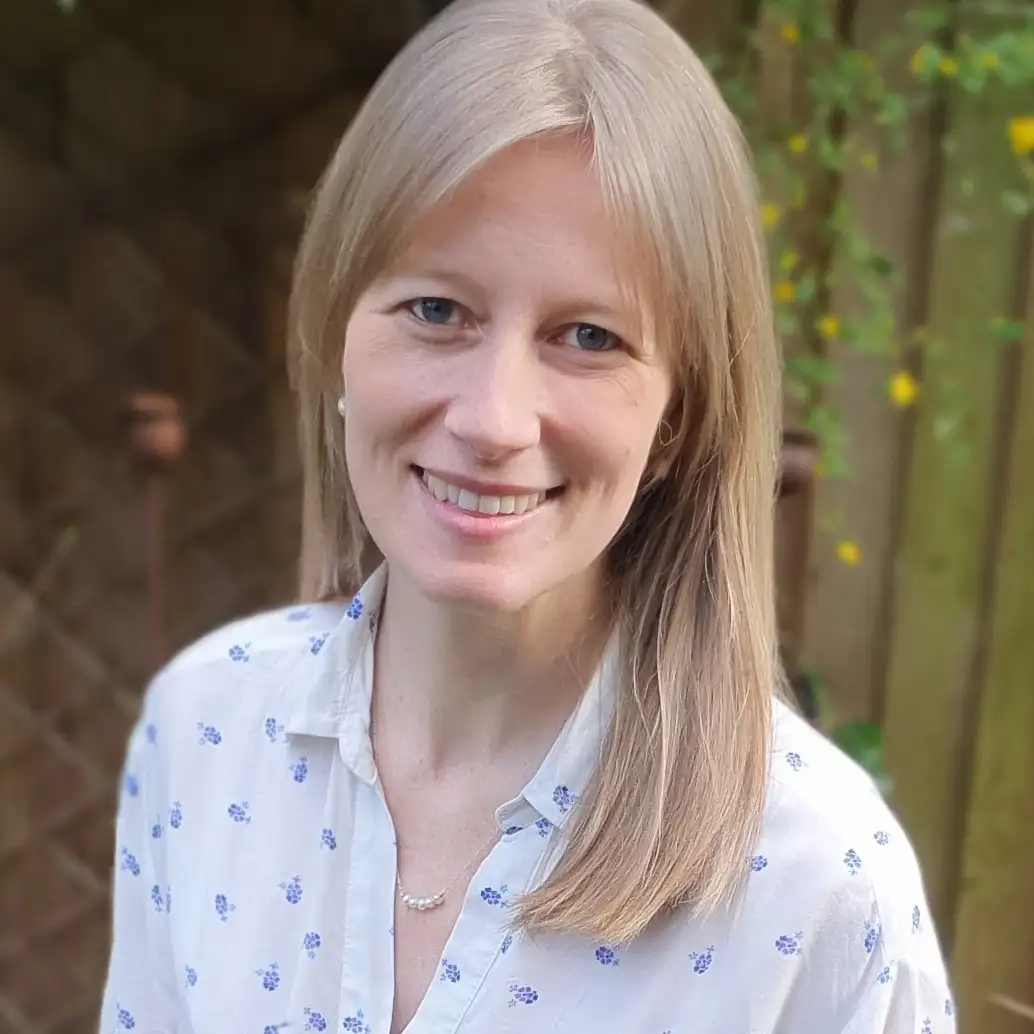
Author of the Art Cure, Professor Psychobiology and Epidemiology & Researcher
Dr. Daisy Fancourt. Ph.D. is as a professor of psychology and epidemiology at the University College London, where she heads a Social Behavioral Research Group, and is the director of the World Health Organization's Collaborating Center for Arts and Health. She has published 300 scientific papers and has won more than two dozen academic prizes. She's a multi award-winning science communicator and has been named a World Economic Forum Global Shaper and a BBC New Generation thinker. She is listed as one of the most highly cited scientists in the world. HEr recently published book, “The Art Cure: The Science of How the Arts Save Lives” is now a Sunday Times bestseller and also short-listed for the Women’s Prize for non-fiction.”