
 Apple Podcasts

 Spotify

 Amazon Music
 RSS Feed
The Role of Spirituality in Brain Health with Christine Turo-Shields, LCSW, LCAC

In this episode of the Let's Talk Brain Health! podcast from the Virtual Brain Health Center, we explore how spiritual health supports brain health with guest Christine Turo-Shields. Christine, a licensed clinical social worker and addictions counselor, shares how she integrates spirituality into trauma care and highlights the role of spiritual practices in healing and building resilience.
Discover the profound connection between spirituality and brain health as Christine shares her insights on the importance of integrating faith and spirituality into mental well-being, especially for trauma survivors.
Gain valuable strategies for nurturing spiritual health, including meditation, prayer, and mindfulness practices.
Explore how these practices can lead to emotional resilience and cognitive wellness.
Tune in for an inspiring conversation and practical tips to enhance your brain health journey.
00:45 Meet Christine Turo Shields
02:32 Blending Spirituality with Clinical Practice
04:18 Defining Spiritual Health
07:05 Research on Spiritual Health and Brain Health
15:01 Practical Strategies for Spiritual Health
21:28 The Power of Spiritual Health & Healing
24:58 Final Thoughts and Resources
34:53 Conclusion
Resources:
0:00 Your brain health matters. Welcome to the Let's Talk Brain Health podcast from the virtual Brain Health Center. Join the conversation on brain health and Wellness with your expert host Doctor Crystal Color and Co host, nurse educator Leanne Stuver and respected guests. Discover ways to take charge of your total brain health, mind, body, spirit. Tune into the latest brain care news, science based tips and practical strategies to build a better brain and live a brain healthy lifestyle. By prioritizing your brain health, you are taking an important step towards living a happier, healthier life. Let's continue our brain care journey together with our next guest. Today, we welcome Christine Turow Shields, a licensed Clinical Social Worker and licensed Clinical Addictions Counselor, to the Let's Talk Brain Health podcast to explore the importance of spirituality and relationship to our brain and overall brain health and well-being. Christine Onan operates Kenosis Counseling Center, Inc, which is a community based private practice in the Indianapolis community with 30 years of professional experience treating trauma.
1:13 She blends faith and spirituality into her clinical practice, especially with those experiencing trauma, in order to come to a place of healing and recovery. As a brain wrestles with making sense of what seems senseless and strives to comprehend that which is incomprehensible. Her specialties and trauma work are vast and varied, including work with individuals struggling with suicidality and suicide, grief and loss, as well as depression, anxiety, panic and addictions. She's an Indiana State Board member for the American Foundation for Suicide Prevention and a founding team member and Co creator of the You Are Not Alone Retreat, which is a faith-based retreat experience for survivors of suicide loss. Christine also has co-authored two women's workbooks on personal transformation and recovery from partner betrayal. Given her extensive trauma work, she finds that addressing these pains requires conversation around spirituality and faith in order to address the larger and existential questions of not just asking the question why, but also addressing the how. How does one walk through life when facing such emotional hardship?
2:22 Christine, our audience had a chance to hear your horrible bio, but is there anything else about your background that you'd like them to know before we dive into our conversation today? In 2008, I really started my journey of blending spirituality with clinical practice. That's when I first received my EMDR training and then I went on to become certified. As I'm working with individuals with trauma, they are constantly wrestling with those questions of why did this bad thing happen? The brain really strives to comprehend that which is incomprehensible, and it wants to understand those things that are not able to be understood.
3:05 So that wrestling really brought into question a need to really address spirituality because those are those bigger questions. There's a lot of research on post traumatic growth, which is from Tedeschi and Calhoun out of the University of North Carolina. And the drill down of that research is in most religious traditions and spiritual traditions and philosophies of life, there's this prevailing belief that out of suffering can come great good. And that just takes us to a higher level of how do I make sense out of all this and how do I make meaning out of pain and suffering That really began to really drive this blending for me.
3:53 Thank you so much for sharing More about your background and kind of the introduction to this topic is, I think this is the one area of health that we tend to neglect pretty quickly if we're thinking about all the different dimensions, and that is our spiritual health. And so I am grateful for your background and expertise in this area to let us dive a little bit deeper and explore spiritual health, connection to brain health. But in order to get us started, could you just give us the general definition or your definition of what is spiritual health and how does that differ from religious practices? I'm a cradle Catholic, so I was raised in a religious tradition and then when I was 19, I started working and volunteering in the addictions world, which is largely influenced by the 12 steps of Alcoholics Anonymous.
4:44 So I always said that I was professionally raised in the 12 steps. That whole notion of higher power and God was just constant in my life as I have separate. I really see spirituality as our essence simplistically, our innate capacity as sentient beings to think and feel and reason and experience the whole of life and life is so bittersweet. It's not just we live in this world, if you will, of toxic positivity. And sometimes we're I'll equipped, I believe, to navigate the pain and the suffering and spirituality gives us an opportunity to be more expansive and to consider not necessarily the why because a joke and say the whys will drive you crazy and will keep me in business, but really the how.
5:45 How do I want to walk through this when bad things happen? Do I want to walk through with resentment or bitterness or guilt or pain, or do I want to walk through with a sense of meaning and gratitude and accessing support? I think that is what spirituality encompasses. Now, religion is really the way we practice our spirituality. And for those that prescribe to a particular religious belief, it's the practices and the doctrines in which people can manifest their spirituality. Some people need that very strict, and some people it's just more expansive.
6:30 That's the distinction between the two. And I suspect for many people tuning in, there's an opportunity to reflect how this is a part of their life, whether it's very prominent right now. Maybe there's been a time where they've been at a crossroads and this area of your health and being can be neglected because other things take more of the investment of your time. And there's a lot of people I know when we speak about this is this idea of we know it's good for our health. We don't quite understand the relationship or at times what you say, what it looks like for us in practice. And so it is this lifelong journey we navigate. I like to think, along with brain health, if we're learning all these things over the course of our life, would you be able to tell us what does the research show us about the relationship between our spiritual health and our greenhouse for?
7:18 Individuals who really want to dive into this, I would recommend looking into the research of Doctor Lisa Miller. She's from Columbia University and has done extensive research around spirituality and mental health. I really like her information and what she has uncovered. What we know is that people who have suffered the most and are able to access, support and find connection through a higher power, through God, the universe, I say sometimes the great bear in the sky, whatever name you give to that entity, those who are able to make that connection. The research shows that there's a thickening of the cortex, which then is indicative of a sustained spiritual life, is neuroprotective against depression and other mental health issues. And this seems to be one that's really important for people, whether you're navigating, I would say, a physical health or mental health or some life transition. Spirituality tends to become something that comes online that's important.
8:24 Do you have insights to add to that, as well as a clinician that helps support people in this journey that you might want to highlight for them today? Doctor Lisa Miller talks about the achieving brain and the awakened brain and the awakened brain is recognizing what is life showing me. I talk with my clients a lot about life unfolds and how do you want to respond to that? How do you want to make meaning from that? How do you tap into the synchronicity or your own intuition or even the intersection of people coming into your life or the opportunities that unfold? And all of that helps reinforce I'm not alone. I'm not alone in the suffering and at the very same time recognizing that we are each uniquely and divinely created, whether by God, Spirit, whatever, but we are each a fingerprint and uniquely and created. It's both the expansive nature of we are in communion, if you will, with others in the universe and at the same time we are a unique being on this journey. There's definitely something to reflect on in what you just shared with us in that response.
9:42 I know one thing that tends to come back to me of whether it's a challenge, a shift, a complete surprise. Life is unpredictable, right, Is at times having to learn some of the strategies that better support you. And one of the things that I've always tied back for me, and I don't know that I had the right language, even probably you when you speak to some of these things, is just knowing what I'm doing is bigger than me. It's attributing to something cigarette ripples beyond me and my close contact or my community and just that idea that when you walk with intentionality or you make decisions, that those are those proverbial ripples. We can't see them. We might feel them in some with the energetic shifts, but just that knowing is enough at times to support me to just simply do the next right thing.
10:28 Yes, and at the same time recognizing that in most if not all cases, you are not alone. I'm a member of a team of us that created a faith-based retreat for survivors of suicide loss called You Are Not Alone. And we hosted at Fatima Retreat Center in Indianapolis. And we have some online programs, but then we have a retreat weekend that's in person. And we've had people come from all over the United States. And to our knowledge, it's the only faith-based retreat for survivors of suicide loss currently. And one of the things that I say, whether it's suicide loss, whether it's loss from any other tragedy or people getting diagnosed with cancer, but to come in community with others and be able to look into the eyes of another, knowing that they know the pain that you're in and the contents and the details of each person's story will be different. But the emotions are what connect us. And to look in the eye of another and know you are not alone is completely profound on such, if you will, even a visceral level.
11:43 And to see people have that connection and feel supported and feel carried so many times when I work with people with any type of struggle. But again, trauma in large part is what I do. And I talk about when the cross is laid upon you, if you will, that religious reference or just the burden of life is so heavy and people go, I don't know how I'm going to get to the other side. And I said how you're going to get to the other side is that someone is going to carry you. You will be carried. And you won't necessarily know how you get there, but we will get you there. What's interesting too, the first word in the 12 steps of Step 1 is not I admitted that I'm powerless. It's we admitted that we were powerless. I believe that's part of the spiritual journey, knowing that we aren't alone, although in our suffering sometimes we can feel that.
12:40 And if we can remember and reach out and allow others to support us, it builds our resilience and builds our capacity to heal. I have a feeling that phrase you are not alone will be something that stands out in our conversation. And it makes me think about too, that the journey we're taking in our spiritual health is not alone or in isolation from our brain health and these other aspects of health. We have our physical or mental, emotional and social. What do you think about that interconnected nature that you'd like to highlight for others? What's that role that our spiritual health plays and not being alone in our own health and being? When you think about that, various aspects of the brain that contribute, that frontal temporal region really helps with bonding.
13:28 It gives us the capacity to connect with others. This is highlighted in Doctor Lisa Miller's research and she talks about the ventral region. When that lights up, that's when we feel a sense of new direction or guidance, which I think is important part of that wrestling that people deal with. All of a sudden, they may get an epiphany of, oh, I know what to do now. Before it was hazy or foggy or my path was uncertain. And now all of a sudden there's this sense of clarity. And then she talks about in the parietal region, it's a reinforcement of you are not alone. You are part of the whole universe, and at the same time you are unique in the world and the universe. So those regions really help pull these resilience factors together that promote emotional health, spiritual health, social health, and mental health.
14:26 Resiliency factor comes up in a lot of conversations around brain health, I think especially in this spiritual health domain. And a part of me is reflecting back on everything you've shared so far is also thinking about when you're saying you're supporting someone, we don't know how we're going to get you there, but we're going to get here. And people who have had those transitions might not know until they're past an event and then you're looking back on. Have you found any particular tools or strategies that are useful to support people in that process of navigating their spiritual health? Are there some practical things that we all could maybe try to do to better nurture that for ourselves? Yes, there's many, so let me just list a few. We know that meditation helps create new neural pathways for healing.
15:15 Two books actually that I'm a big fan of. Rick Hansen is a neuropsychologist and he first wrote the book Buddha's Brain. And in that he talks about that we know that meditation is good for brain health. And he said then invariably people then asked him, how do you meditate? So then he wrote the book Just one thing. What I love about that book is that it's 52 chapters and each chapter is only about 2 to 4 pages. And it really addresses how you spend this time in those moments, just focusing your brain. And if we do that even 5 minutes a day, we are going to promote brain health.
16:02 And whether it's meditation or prayer, for some people, it's interchangeable. That book really allows people to go through step by step. And I always recommend to my clients, I say this is really not a book I want you to read. It's a book I want you to do. So just read 1 chapter every week and sit with it and go back to it. And again, it's only 2 to 4 pages. So even with busy working moms, I say it's very manageable. So it gives you that focus. So that's one thing. Just sitting with prayer and meditation. And in that a lot of people envision that meditation. You have to be sitting legs crossed for hours at a time.
16:45 But you can start out with just literally doing a meditation and breathing in and breathing out because the word breath and spirit are the same in the Greek and Hebrew language. If you just simply breathe in and breathe out, some people add words to that. It could be anything. It could be spiritual and breathing out stress and breathing in Spirit of God or peace or what have you. I oftentimes encourage clients to choose a color, a color of peace or calm and expand your balloon in your belly because we want to diaphragmatic breathing. So expanding the balloon then your chest will rise and then exhale a color of stress or anger or discontent. So sitting with that can also just simply do a listening meditation where for 5 minutes you just close your eyes and listen and take the sounds in.
17:50 And then there's also a scene meditation where you sit quietly and you just look around. And those are all mindfulness practices too, right? It's like in this present moment, what am I experiencing with our bodies is a sensory experience. What do you take in? And mindfulness just cause us to notice and observe without judgement. That's the simplicity of mindfulness. I was doing this city meditation once just visually and I looked out my window and I just noticed and I said there are 7 different variations of green that I see in this moment. And it was just a aha cause out my window all I can see is leaves and trees.
18:36 And that was just a really cool experience that I hadn't normally seen. Because we go through life at such a quick pace, you can also build in again, attending to your sensory experience. Right now I have a candle burning. We know that scent fires parts of the brain and calms us down and provides soothing and physiological healing. Music. Before we were preparing, I had piano music playing in the background just to calm the sense. My spiritual director, Sister Connie, loved harp music, so when I was sitting with her until she passed, she had harp music playing in the background. Sometimes it's reading poetry, finding those words or quotes that provide some measure of hope amidst the struggles and strife of life, and surround yourself with that. On the wall in my office, I have painted the quote by Minander from 300 BCE that says in adversity, man is saved by hope. And as my clients sit on the couch, that's what they look at. That's the wall and the quote that they see across from them. Just that reinforcement of hope will carry you through this. I'm so grateful for the strategies you highlighted because I know each one.
19:57 We could spend a lot of time digging deep into the scientific benefits of just meditation or simple breath work. But I think you really those highlights of they're all a different sensory experience. And I think for many of us, it's being open to try new and different things. And then I always think too, it comes back to the right tool for the time. There may be a time where. Whatever you're experiencing, it is taking too much to have to sit in that moment and do an elongated breath work. And for people who have these experiences, when someone says even a couple minutes, that sounds overwhelming for where you are in life. But the opportunity, like you said, you could use music or you could use your senses and focus in on something and just simple practices can still be enough to start to nurture that spiritual health and finding the right tool for the time of where you are.
20:49 And you really highlighted a lot because between breath work, meditation, listening, using the scenery of things we have, there's lots of different tools for supports, whether it's environmental or just a little intentionality of our day, little quick wins in a few minute intervals. So we will add a link to that book that you mentioned earlier that includes the strategies from Rick Hansen. I'm wondering now to bring this all together for everyone. Could you share an example about a shift that's happened for someone when they really prioritize their spiritual health? How that has led to some meaningful outcome in their mental well-being or their cognitive health. Certainly a client has given me permission to share this. I sit on the state board for the American Foundation for Suicide Prevention and she's a suicide loss survivor. And she was really struggling with tremendous amount of guilt, feeling as though she had let her son down and didn't do enough and really was stuck in her grief. She's a woman of faith, but was really wrestling with God and all of that, which is so common.
22:00 A side note, we step away from that for a moment. One of the things that I share with individuals when you're wrestling, especially with traumatic loss or just trauma in general, we can do one of three things. We can either turn away from God, higher power spirit, the sacred turn against because we want to find somebody to blame, or we can turn towards. As she had been really wrestling with her personal faith. I asked her where do you believe your son is? And she said, I believe he's in heaven. And this was a bit of intuition that I tapped into because as a grief specialist, I often and many of us will have an individual write a letter to their loved one or write a letter to God.
22:49 But in that moment, I said, OK, so I want you to write a letter. And she just paused and maybe even rolled her eyes. And I said, but I want you to write a letter from heaven to you. And she's OK. I think she asked me what's it supposed to say? I go, I have no idea. We'll unpack that when you come back. And she came back and she was so much later because again, when your loved one dies by suicide, there is so much complexity and angst around that. And that could be a whole other conversation. But she came back and she read the letter and the drill down was, dear mom, first of all, he absolved her of her guilt.
23:32 This was not your fault. And he said, imagine that you were in a burning room and you took the only door you saw to get out. That's what this was like for me. And when she was reading it, she said, Christine, I had never had that thought before, ever. Those words were given to me. And I believe that I was channeling my son's message to me. And it provided so much relief for her. She was visibly different. So now that's actually a recommendation that I tell people to do is especially when they come from a faith perspective and they say my loved one's in heaven, I go write a letter from heaven to you. And I believe when we do letter writing, we're just taking dictation anyway.
24:23 If we can just let it flow, we don't have to think our way into it. So that was just a poignant moment that I will forever remember. And I share that with all survivors of suicide loss and all individuals on the retreat. And we have them do a writing exercise as well. But that provided so much emotional healing for her and spiritual. But her mind too was so calm after that. It was just remarkable to witness. I'm at a loss of words for that story. I feel as though in listening and receiving that it is enough to know how important our spiritual health can be.
25:06 And so I'm curious what insights you might have for the average person who might be tuning in and is thinking about reconnecting with their spiritual health. If they're feeling disconnected, what's the first starting point that you would encourage them to explore? Going back to those practices that I mentioned, I would encourage just breathing and recognizing that you're breathing. In life. Our bodies require breath in order to live #1 and just slowing down and also allow for mystery. Because one of the things that our brain tries to do is to it has a template and an orientation.
25:49 And when that gets changed, we get very disoriented, as you and I have talked about in the book The Grieving Brain, if we could allow for mystery and allow for the fact that we won't always have answers, which is really difficult. And what I find is if you read some poetry or quotes, somebody else's words can capture your experience. And I think when you find that, whether you're reading somebody in modern day or somebody 100 years ago or 1000 years ago, and it's just, yes, I get this, this person gets me or this was my experience, that's the way we can nudge ourselves back.
26:30 Also, what we know is very neuroprotective is when we volunteer in our pain and suffering, if we help others, if we do service work, if we practice gratitude and altruism, it increases our capacity for resilience and recognizing that we are part of a bigger picture. Finally, what I would say is, this may sound counterintuitive, but if you're wrestling, go seek out spiritual direction because that allows you, and a spiritual director isn't going to, if you will, browbeat you into faith or belief, but it allows for wrestling with those things that seem unanswered or unsettled, helping us navigate again, making meaning, looking at the how versus the why of things.
27:25 Those would be some of my recommendations for somebody who feels disconnected and wants to get back into it. It's so practical. I think back to so many things that we know about the brain is it's designed to be a prediction machine off of our past experiences or even biology. And we think we are great at predicting how we're going to respond in certain scenarios. And then bam, life happened and we don't respond the way we thought we were. So our predictions, even though that's what our brain was for survival and things, is we have to make it adapt for us now. And you've given us some very practical strategies and to also recognize there's time we're in this kind of hug and pull, for lack of a better term, of what you know and what you're trying to navigate. And the idea that our brains can change and we can learn these new and different things.
28:17 I really hope this sends that message to other people up. There are strategies and ways we can invest our time to get the gain for our brain health as well as their spiritual health. And I regret we're winding down the conversation with you because we've covered so many aspects of spiritual health. But I want to ensure people have a chance to get these practical takeaways from you. You've already shared with us a couple of books, but is there anything else in terms of a resource that you might share that helps shift or support your own thinking on spiritual health? Absolutely have a plethora of books. I'd be considered a bibliaholic. Most significant book I read in college was by Tiknat Han, Living Buddha, Living Christ.
29:02 That's one book that I would recommend. Additionally, Richard Rohr, who's a Catholic priest, wrote Breathing Underwater Spirituality and the 12 Steps, there's a piece in that book that to me really describes the paradox of life, which again, those 12 steps of Alcoholics Anonymous. And he says we suffer to get well, we surrender to win, we die to live, and we give it away to keep it. And that's really the whole premise of The 12 Steps. And then one more recent book that has just been so instrumental to me is called Bittersweet. It's by Susan Cain Cain.
29:45 And she really makes room for the spiritual search and basically says all of us are trying to make our way and wrestle with and connect with the sacred, whatever the sacred is. And she even has principles and practices. It's pretty inexpensive. I don't get any benefit from that. But I would definitely recommend her principles and practices. They sign up online. I think it's $39.00. And she just does a beautiful job of sending out texts so that people can see an image and then meditate on it. And then you respond and then you get another text back.
30:26 So every day for 30 days, there's an exchange of text, whether it's a piece of music or poetry or a painting, which just allows us to tap into the bittersweet because that's what life is. We don't mentally rehearse bad things happening in our lives, but they happen. How do we make room for that? And that's what she really embraces. How do we make a room for the bittersweet of life? How many practical resources from you? We will put links in the show notes below for anyone tuning in. I want to pivot to a bit of a personal question for you. You've worked as clinical practice supporting many people as well as your work and your own spiritual care.
31:07 What is your one non negotiable for taking care of your own brain? For me, regardless of the situation, I have firm belief and conviction that Divine Providence is always present in the unfolding life unfolds for us, and I just believe that divine Providence is always present. Doesn't mean that hardship is going to be taken away from me, but it's just that core belief that I'm not alone in whatever I'm struggling with. And you've shared so much with us. If something has resonated with our listeners, where can they learn about you and your work? Our website is www.kenosiscenter.com and you can also find us on Facebook, Instagram, LinkedIn, and YouTube.
31:55 And kenosis is actually the Greek word for emptying out. And when we're working with individuals, we have the sense of empty yourself, change your life, fill your future. That's my work with individuals. Those will all be hot linked below for everyone and I want to ensure you have the final word for our listeners today. What's one piece of advice on nurturing our spiritual and brain health? What would that be for us to take away today? I'm going to push for two. My spiritual director, Sister Connie Kramer, who just recently passed away, shared with me just a profound statement. She said we are not humans on a spiritual journey. We are spiritual beings on a human journey. And I think that's important because first and foremost, I believe that we are innately spiritual beings. Now, I'll end with a quote by Rilke. And I think it's important to allow for mystery because again, we can't always answer the question why, even though the brain wants that orientation.
33:00 Rilke has this quote that says be patient toward all that is unsolved in your heart and try to love the questions themselves. Like locked rooms and like books that are now written in a very foreign tongue. Do not seek the answers which cannot be given to you because you would not be able to live them. And the point is to live everything. Live the questions now, and perhaps you will then gradually, without noticing it, live along some distant day into the answer. That is something for all of us to ponder as we wind down our conversation today.
33:47 I really hope that our listeners can recognize that spiritual health is a very powerful component of our health and being. But many times maybe that aspect of our brain health that is overlooked, but it both very different benefits for our cognitive health and being our resilience, our emotional balance and overall health and totality. And I hope today's conversations and the practices that Christine shared from mindfulness to breath work to journaling can be a tool that many of us might want to explore to support our cognitive health or to expand the way we are considering our spiritual health for the moment that we are in now. I hope that looking forward, this can help our listeners enhance their brain health or simply find more meaning in their daily lives with these very practical tools that we can all take advantage of.
34:38 Integrating those small spiritual practices can have a profound impact on our overall brain health and Wellness. Christine, thank you so much for letting me pick your brilliant brain on the Let's Talk Brain Health podcast. Thank you for investing in your personal brain care. By listening to this episode, we hope Let's Talk Brain Health has provided new insights, inspiration, and action steps to support your personal brain health journey. We encourage you to continue learning about brain Health Science and hope you will share our podcast with others. We look forward to exploring more topics related to brainhealthinfutureepisodesemailpodcast@virtualbrainhealthcenter.com with questions or topics of interest. We are here for you.
35:26 Until next time, may you give your brain the care it deserves. Make your brain health a priority.
Owner, Kenosis Counseling/MH Therapist/Author/Presenter
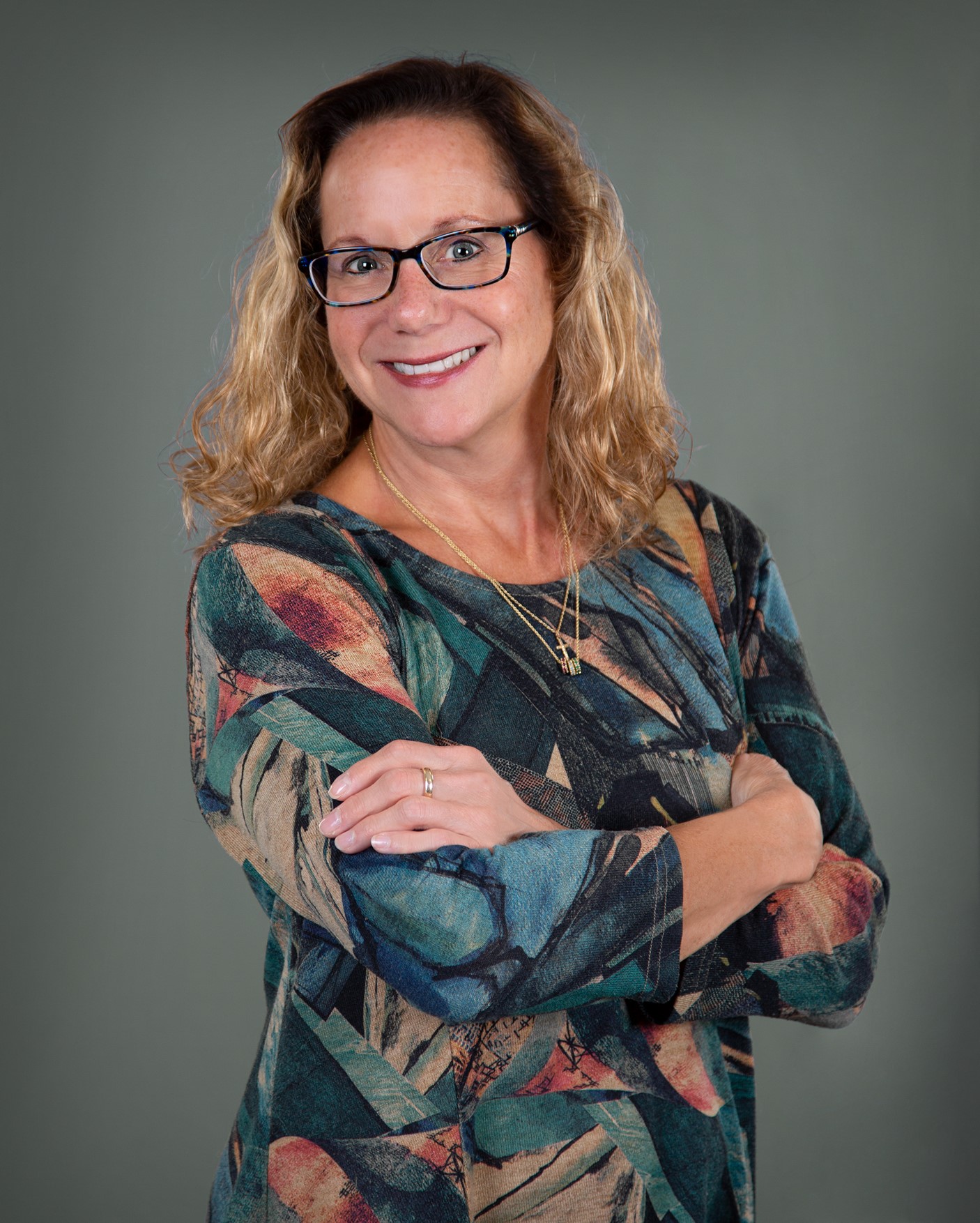
Christine Turo-Shields, LCSW, LCAC owns & operates Kenosis Counseling Center, Inc., which is a community-based private practice in the Indianapolis community. With 30+ years of professional experience treating trauma, she blends faith and spirituality into her clinical practice, especially with those experiencing trauma in order to come to a place of healing and recovery as the brain wrestles with making sense of what seems senseless, and strives to comprehend that which seems incomprehensible.
Her specialties in trauma work are vast and varied, including work with individuals struggling with suicidality and suicide grief and loss as well as depression, anxiety/panic and addictions. She is certified in EMDR, which is a highly effective trauma therapy. She is an Indiana State Board Member for the American Foundation for Suicide Prevention (AFSP). She is a founding team member and co-creator of the You Are Not Alone retreat, which is a faith-based retreat experience for survivors of suicide loss. Additionally, she is a nationally trained provider for the National Center for Missing & Exploited Children and is a member of NCMEC’s Family Advocacy Outreach Network, providing therapeutic services and support to local families with missing and exploited children to address family trauma, reunification and adjustment. She is also a trained clinician working w/those who suffer with postpartum mood disorders, she has been a trainer for Postpartum Support International regarding EMDR therapy for those who have experienced birth trauma and/or have a history o… Read More